
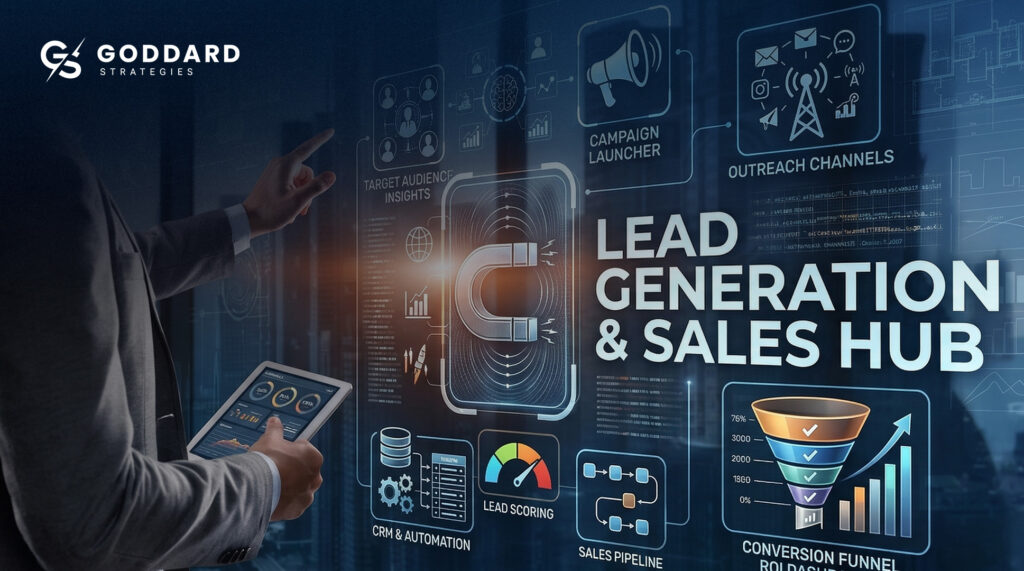
Most B2B companies approach lead generation tactically, launching individual campaigns and hoping for good results. This approach might work for a while, but it creates inconsistency, makes growth unpredictable, and limits scalability. The businesses that achieve sustainable growth build lead-generation systems rather than run disconnected campaigns.
Here’s how to develop a lead generation system that delivers predictable results and scales as your business grows.
Defining your ideal customer profile with precision
Effective lead generation systems start with crystal-clear targeting. You can’t generate quality leads consistently if you’re unclear about who you’re trying to reach. This goes beyond basic demographics like company size and industry—you need to understand the specific characteristics that make someone likely to buy your solution and become a valuable long-term customer.
Analyze your best existing customers. What do they have in common? What challenges were they facing when they found you? What factors influenced their decision to choose your solution? What makes them valuable beyond just the initial sale?
Use these insights to create detailed ideal customer profiles that guide all your lead generation efforts. The more specific you can be, the better. Instead of “technology companies,” define whether you’re targeting SaaS businesses, enterprise software firms, or IT service providers. Instead of “decision-makers,” specify whether you’re reaching CEOs, VPs of Marketing, or IT Directors.
This precision allows you to craft messaging that resonates, select channels where your audience actually spends time, and create offers that address their specific needs. At Goddard Strategies, we help businesses develop these profiles through a combination of data analysis, customer interviews, and market research.
Creating a predictable lead flow with multiple channels
Relying on a single lead generation channel creates risk and limits scalability. If that channel’s performance drops due to competition, platform changes, or market shifts, your entire pipeline suffers. Building a system requires developing multiple channels that work together to create a consistent lead flow.
This might include organic search traffic from SEO-optimized content, paid advertising on platforms where your audience is active, LinkedIn outreach to target decision-makers, email marketing to nurture existing contacts, partnerships and referrals from complementary businesses, and events or webinars that showcase expertise.
The specific channels you prioritize depend on your audience, resources, and business model. The key is to achieve sufficient diversification so you’re not dependent on any single source, while ensuring the channels complement rather than compete with each other.
Each channel should have clear goals, dedicated resources, and systematic processes for execution and optimization. This transforms lead generation from a series of one-off efforts into a reliable system that consistently delivers results.
Implementing automation without losing personalization
As you scale lead generation, manual processes become bottlenecks. You need systems that can handle increasing volume without proportionally increasing headcount. This is where marketing automation becomes essential.
Automation handles repetitive tasks like email follow-up sequences, lead scoring and routing, social media posting, and data entry and reporting. This frees your team to focus on strategy, content creation, and high-value interactions with prospects.
The challenge is implementing automation without sacrificing the personalization that makes B2B lead generation effective. The solution is to use automation to enable personalization at scale rather than replace it entirely. Segment your audience by behavior, interests, and characteristics, then automatically deliver customized messaging to each segment. Personalize based on data you’ve collected rather than using generic templates.
Well-implemented automation should make prospects feel like you’re paying attention to them individually, not that they’re receiving mass communications. This requires thoughtful setup, ongoing optimization, and regular review to ensure automated messages remain relevant and valuable.
Aligning marketing and sales for seamless handoffs
Lead generation systems break down when there’s friction between marketing and sales. Marketing generates leads that sales considers unqualified. Sales complains about lead quality while ignoring leads that marketing worked hard to generate. Neither team takes responsibility for the results.
Building an effective system requires alignment on definitions, processes, and goals. Define what constitutes a qualified lead with input from both teams. Establish clear criteria for when leads should be passed to sales. Create service-level agreements in which marketing commits to delivering a certain number of qualified leads, and sales commits to following up within specific timeframes.
Implement shared visibility so both teams can see the full lead journey from initial contact through closed deal. Regular meetings between marketing and sales ensure ongoing communication, feedback, and optimization of the lead generation and qualification process.
When marketing and sales work together as a unified system rather than separate departments, lead generation becomes dramatically more effective. Marketing can optimize campaigns based on which leads actually close, and sales can provide feedback that improves lead quality over time.
Measuring and optimizing for continuous improvement
Lead generation systems require ongoing measurement and optimization. Set baseline metrics for each channel and campaign, then systematically test improvements. This might include A/B testing messaging, offers, and creative; adjusting targeting parameters based on performance data; reallocating budget toward higher-performing channels; and refining lead-scoring models based on conversion patterns.
The most successful businesses treat lead generation as a continuous process of learning and improvement rather than a fixed set of tactics. They review performance regularly, identify opportunities for optimization, and make strategic adjustments based on data.
This commitment to measurement and optimization transforms lead generation from an unreliable tactic into a predictable system that drives growth.
Scaling your lead generation system
Once you’ve built a solid foundation, scaling becomes much more straightforward. You can increase investment in channels that are delivering strong ROI, expand into new audience segments with proven messaging, enter new markets with a replicable playbook, and build out your team with clear roles and processes.
The businesses that scale successfully are those that build systems first, then increase investment. Those who try to scale without solid systems just amplify whatever problems already existed.
If you’re ready to transform your lead generation from inconsistent campaigns into a reliable growth system, Goddard Strategies can help. We specialize in building scalable lead-generation systems that deliver predictable results and scale with your business.
Get started today by scheduling a consultation to discuss your current challenges and how we can help you build a lead generation system designed for sustainable growth.